

Carpet Tiles for a Quick and Easy Home Refresh
Want this look?
Modular
Practical
Durable
















Find a store
Port Adelaide Carpet One – Adelaide North


Selective Carpet One – Adelaide South
Carpet One Bendigo
Carpet One Stafford
Carpet One & Curtains Logan City
Carpet One Redcliffe Quality Floor & Home
Barritts Carpet One Bundaberg
Simons Carpet One Burnie
Central Coast Carpet One
Carpet One Emerald
Carpet One Fairy Meadow
Carpet One Forster
Goulburn Valley Carpet One Floor & Home
Hoopers Carpet One Ipswich
Carpet One Lithgow
Carpet One Mildura
Carpet One Mudgee
Hills Blinds & Floor Coverings Carpet One
Watts Bros Carpet One Rockhampton
Sunshine Coast Carpet One & Tiles Caloundra
Sunshine Coast Carpet One & Tiles Maroochydore
Carpeteria Carpet One Bondi Junction
Carpet One Crows Nest
Coast to Country Carpet One Wonthaggi
Most Popular Carpet Tiles Products
No products found.
Experience the full collection
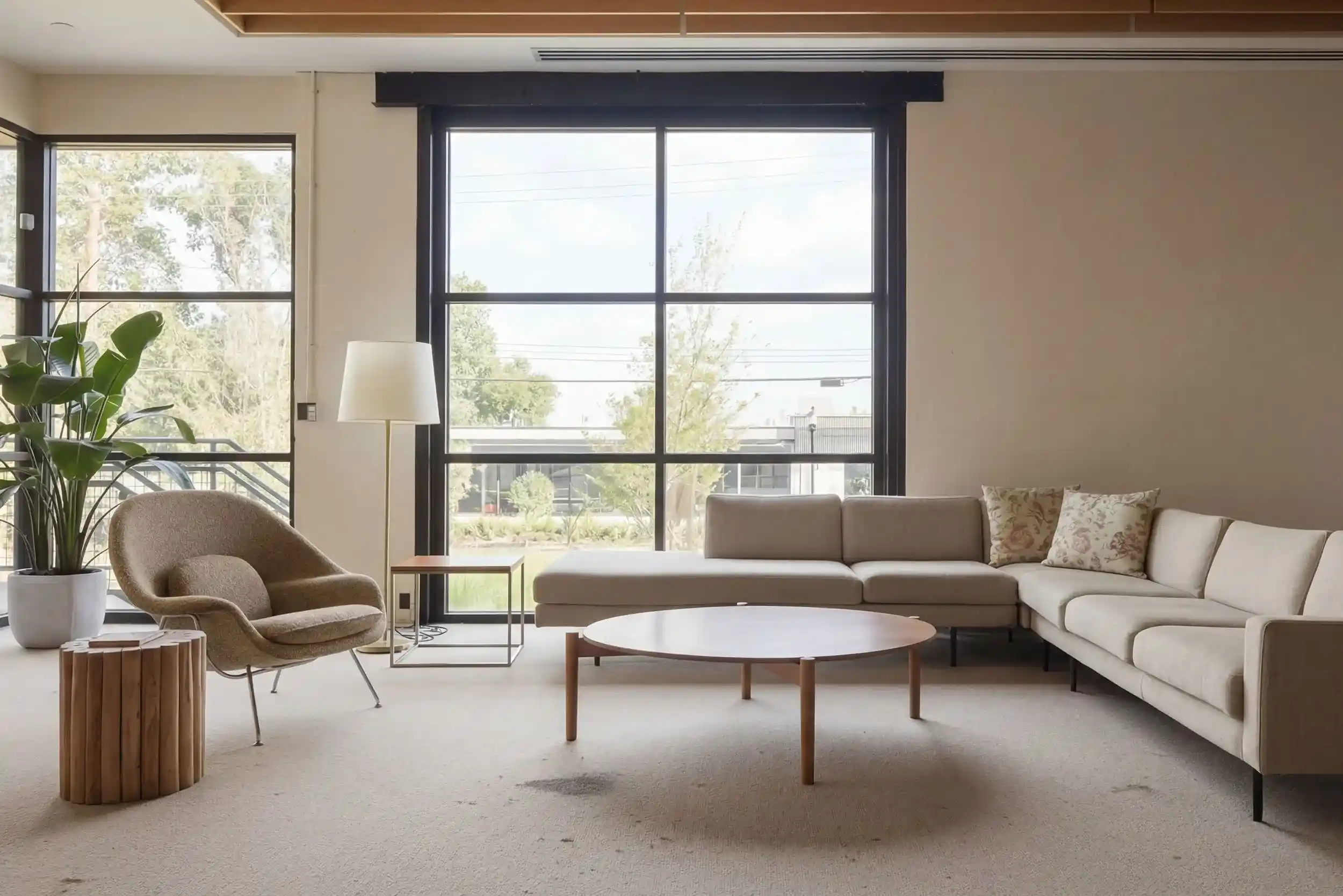
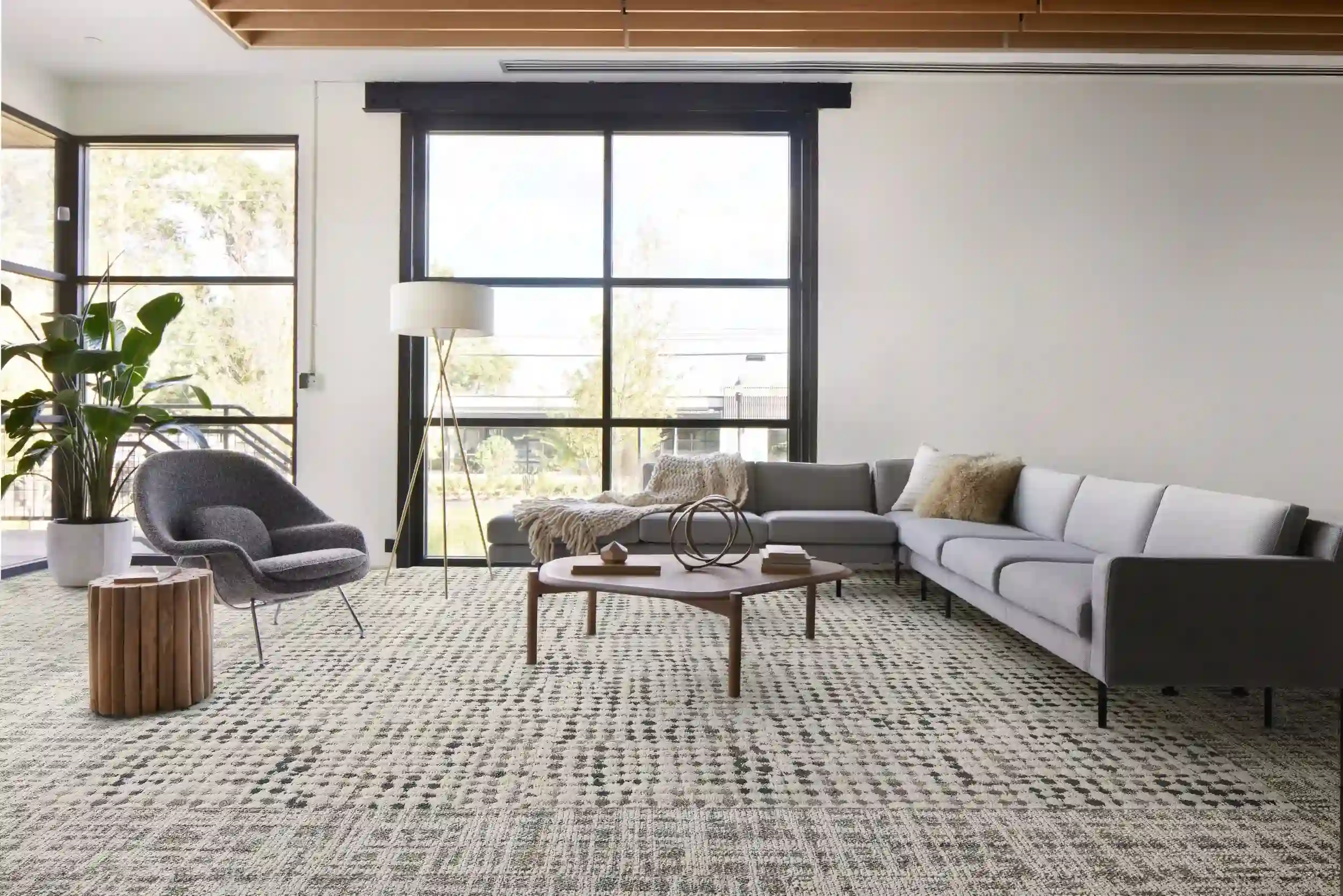
If you want a quick and easy way to refresh your space, consider carpet tiles. These versatile flooring options are not only stylish but also incredibly practical, making them perfect for any room in your home, from playrooms to home offices. Just like wall-to-wall carpet, carpet tiles offer a soft, inviting feel underfoot and are fantastic at minimising noise. They bring the same warmth and comfort you’d expect from traditional carpet, but with added versatility.
Need help deciding?
Discover realistic timber looks with low-maintenance performance, all designed to suit Australian homes.
Wide Range of Colours and Patterns
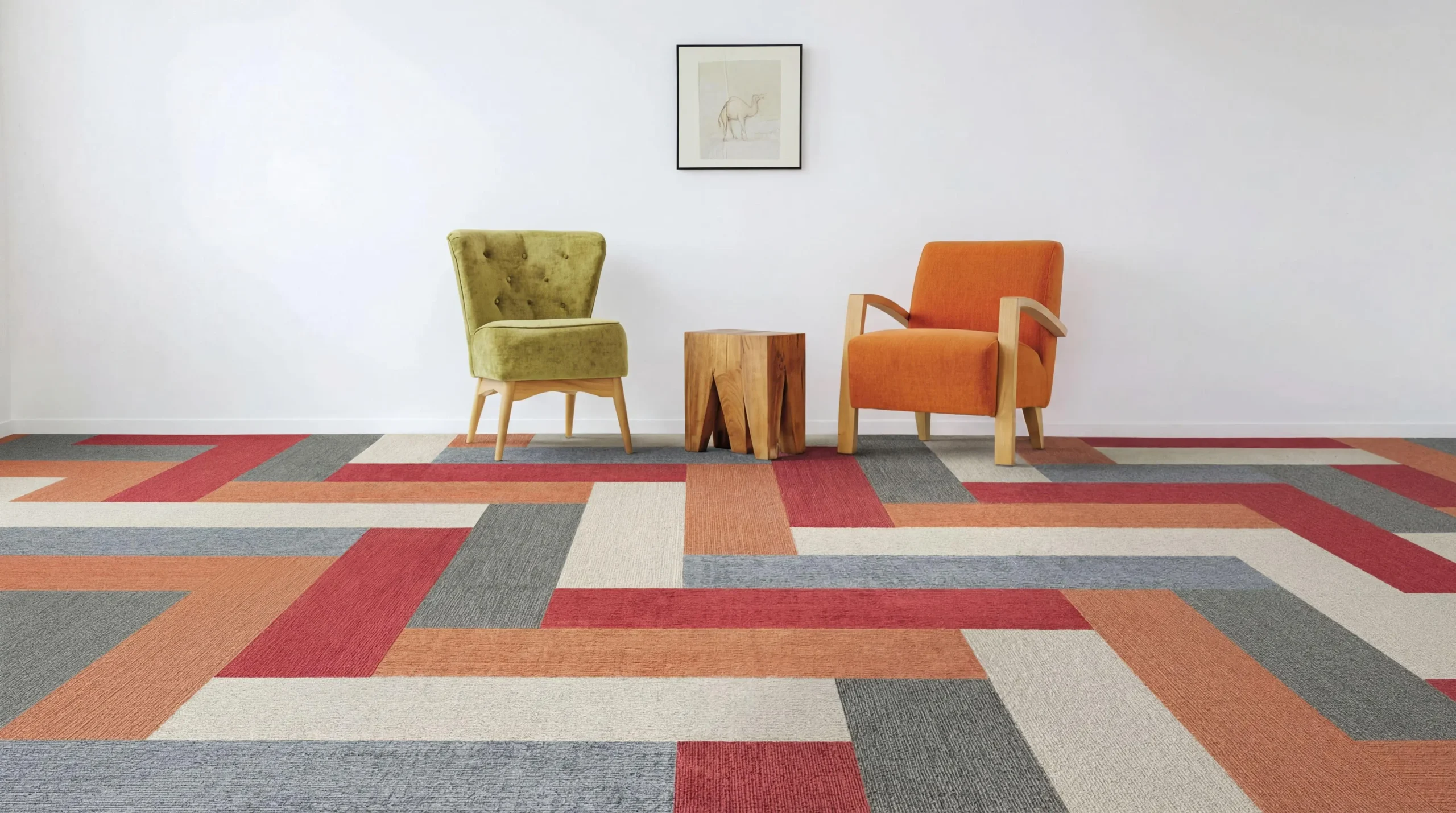
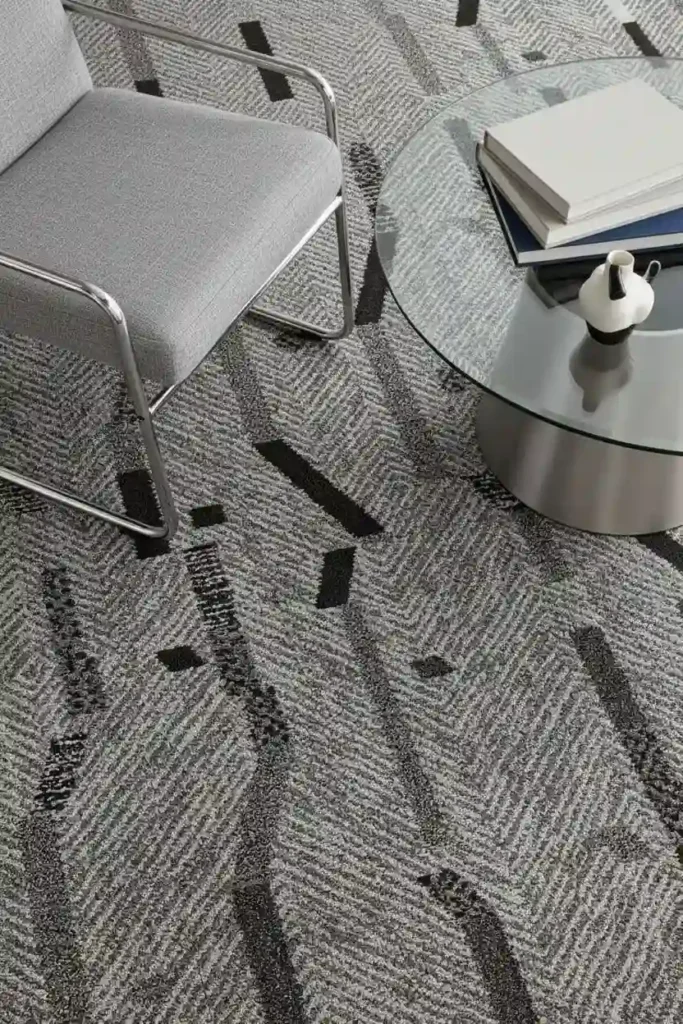
Carpet tiles are available in a wide range of colours, patterns, and textures. You can choose neutral tones for a seamless, understated look, or bold shades and patterns to make a statement. This makes it easy to match your décor, refresh a tired space, or add personality to any room.
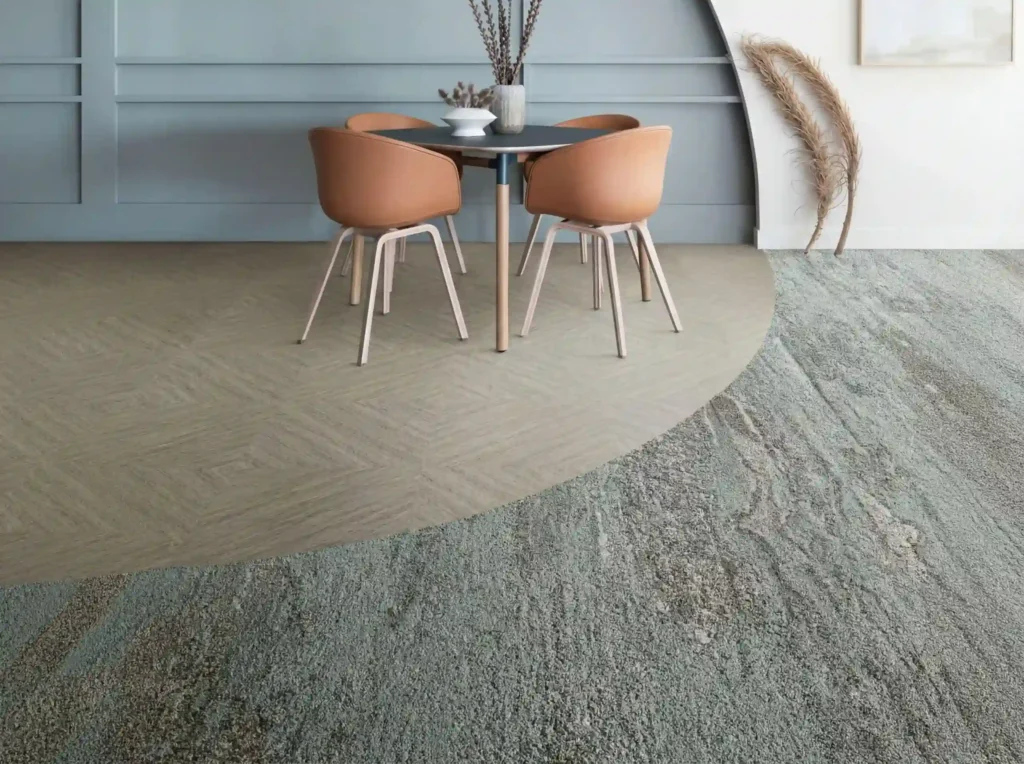
One of their standout features is the design flexibility they provide. You can easily achieve a seamless look or get creative by mixing and matching colours and patterns to suit your preference. You can even use them to define special zones in your rooms.
Most carpet tiles can be laid directly on a clean, level surface without additional underlay, making them quicker to install than broadloom carpet. And if a tile gets damaged or stained, just lift it out and replace it; no need to redo the whole floor!
Carpet tiles are particularly popular for home offices, bustling playrooms, hallways, and multi-use areas that experience heavy foot traffic or the occasional spill. Their modular nature makes them ideal for rental properties or any space that needs a quick refresh. Plus, some are designed specifically for commercial use, ensuring durability wherever you choose to install them.
Carpet tiles are available in various materials, each offering unique benefits depending on your needs. This variety means you can choose tiles that not only look good but also perform well for your lifestyle.
Nylon is tough and stain‑resistant, making it perfect for busy areas like hallways or playrooms. Polypropylene is budget‑friendly and moisture‑resistant, ideal for rentals. Polyester is soft and colourful, best suited to bedrooms or quieter spaces. Wool blends offer natural warmth and luxury, making them a great choice for premium homes or offices.
You’ll find that carpet tiles are a breeze to care for! They usually have a low pile and are made with stain-resistant fibres, so keeping them clean is as simple as a quick vacuum and spot cleaning for any little mishaps.
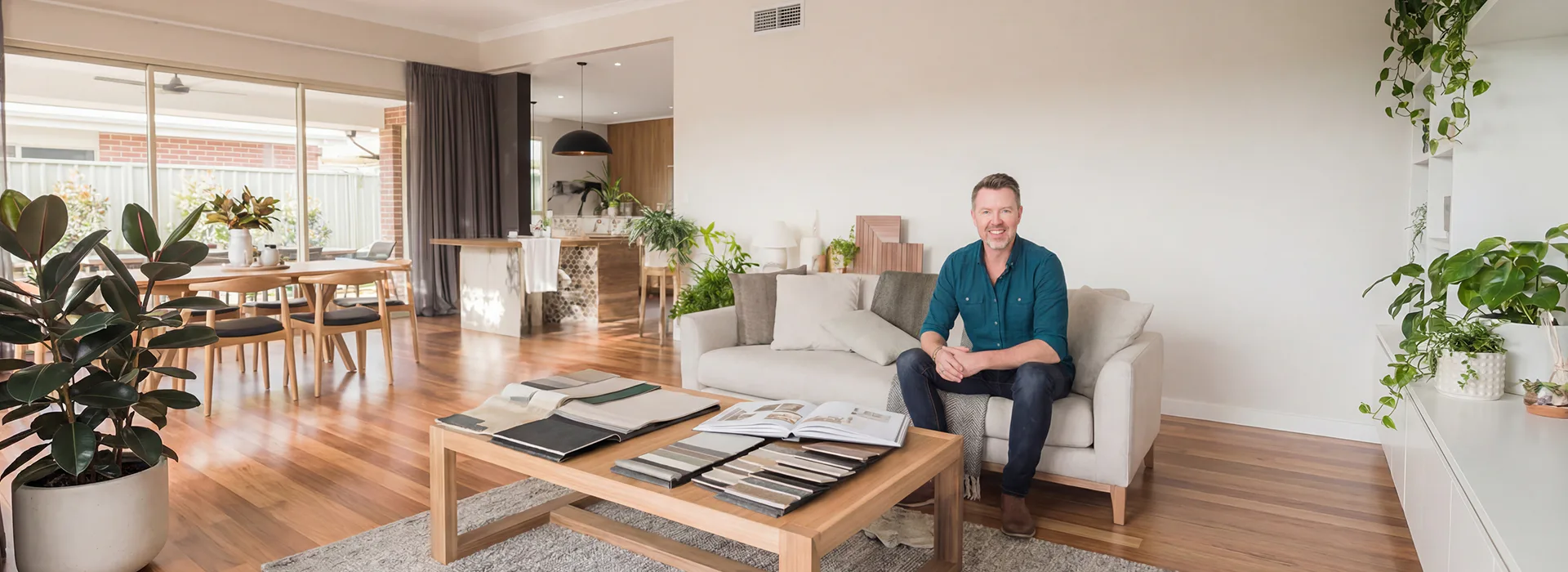
Carpet One has been helping Australian families choose the right flooring for decades. If you’re looking for something practical and stylish, our team can help you find the carpet tiles that fit your space and your lifestyle.
How to Install Carpet Tiles?
-
- Start with a clean, dry, and level subfloor. Vacuum thoroughly and remove grease and loose debris. If the floor is uneven, patch or sand it down to avoid bumps under the tiles.
- Find the centre of the room and mark two intersecting chalklines. Dry lay a few tiles to test the fit and pattern. This helps avoid narrow edge pieces and ensures a balanced look.
- Lay the tiles from the centre and work outward, following the arrows on the tile backing for consistent pile direction or rotate the tiles for a checkerboard effect. Press tile firmly into place and check alignment as you go.
- Peel-and-stick tiles: Simply remove the backing and press the tile into place.
- Adhesive tab systems: Use double-sided tabs at the corners or edges to hold tiles together
- Pressure-sensitive adhesive: Apply adhesive to the subfloor according to the manufacturer’s instructions, then lay the carpet tiles once it becomes tacky.
- For edges, corners, or obstacles, measure carefully and cut tiles using a sharp utility knife and a metal straightedge. Score the backing first, then make several firm passes until the carpet tile separates cleanly.
Carpet Tiles FAQs
To replace a damaged tile, begin by lifting it with a scraper or putty knife. If the tile was installed with pressure-sensitive adhesive, you can simply press the new tile into place without reapplying adhesive. However, if adhesive tabs were used, be sure to replace them before pressing the new tile down. For peel-and-stick carpet tiles, make sure to remove any residue from the subfloor before installing the new tiles.
Place the tile face down and score the backing with a sharp utility knife along a metal ruler. Make several firm passes until the tile cuts cleanly. For curves or notches, use heavy-duty scissors or create a cardboard template to guide your cuts.
Start by marking the centre of the room and working outward. This helps balance the layout and avoid narrow edge pieces. For corners or tricky areas, measure carefully and cut tiles to size using a utility knife and straightedge.
Commercial carpet tiles are built for durability. They’re typically low-pile, stain-resistant, and designed to handle heavy foot traffic and frequent cleaning. Most require glue-down installation for long-term stability. They’re ideal for offices, schools, and shared spaces and also work well in home offices and rentals.
Yes, carpet tiles can be installed over many existing hard floors, including concrete, timber, vinyl, and ceramic tiles, provided the surface is clean, dry, and level. Loose or soft surfaces, such as old carpet or cushion-backed vinyl, should be removed first. If the existing floor has bumps or cracks, patch and smooth it before installation.
With proper care, carpet tiles can last 10–15 years or more, depending on their quality and the amount of foot traffic they receive. Commercial-grade tiles are exceptionally durable and built to handle heavy use.